
By Chen Ming, Senior Fabrication Engineer · Updated September 21, 2026 · 12 min read
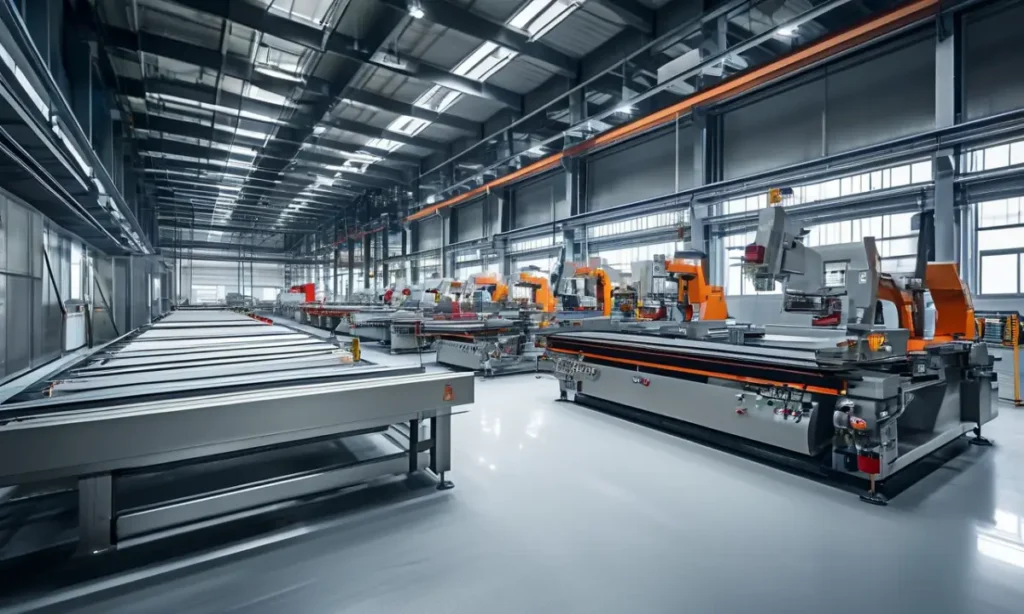
Custom stainless steel fabrication from China works when the specification does the talking. Shops equipped with laser cutting, press braking, and TIG/MIG welding take your drawings and turn them into tanks, structural frames, gutters, manhole covers, and pipework built from ASTM A240 grades, with typical lead times of 15-30 days and MOQs that start at a single unit. What separates a good order from a disputed one is rarely price. It is the detail locked in before the deposit: grade and heat-number traceability, weld procedure, dimensional tolerances, surface finish, and an MTC EN 10204 3.1 certificate. This guide is the specification and decision layer for stainless steel fabrication from China: what to specify per product, the hard fabrication numbers most platforms never publish, and how to build an RFQ that returns an accurate quote in days.
1. What custom fabrication from China covers
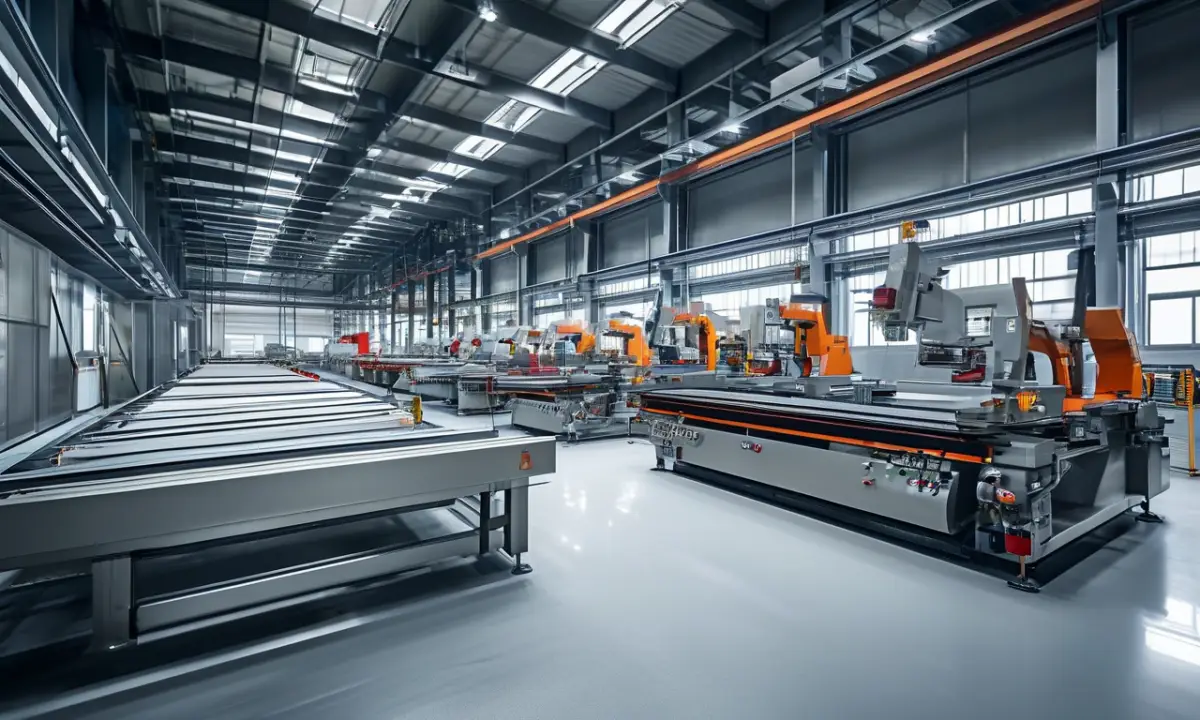
Chinese stainless fabricators organize around product zones, and each zone carries its own specification conventions. The six zones below cover most of what an exporter quotes in a month. The spec ranges are what buyers actually order, not theoretical maximums.
| Product zone | Typical spec range | Common grades | Who buys it |
|---|---|---|---|
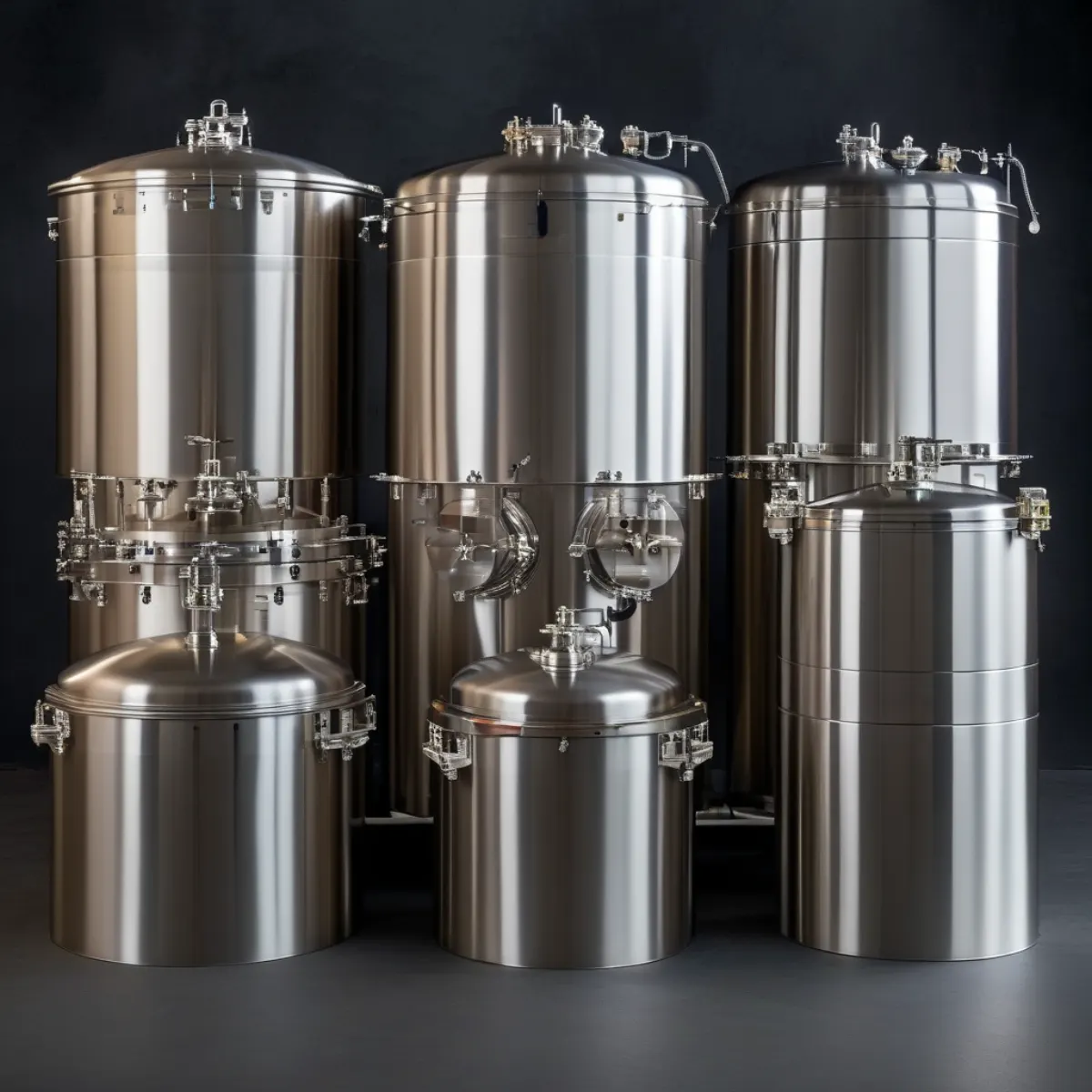
| Water & process tanks | 0.5-200 m³, vertical or horizontal, atmospheric duty, shell plate 2-12 mm | 304, 316L | Water utilities, food & beverage plants, chemical processors |
| Fuel tanks & skids | 200-50,000 L, wall 3-10 mm, baffles, flanged and threaded bosses | 304, 316L | Genset OEMs, marine builders, tank-container operators |
| Structural steel | Frames, platforms, handrails, stairs; plate 3-20 mm, welded sections | 304, 316L, 2205 duplex | Contractors, architects, EPC firms |
| Gutters & rainwater systems | Sheet 1.5-4.0 mm, folded profiles, lengths to 6 m | 304, 316L | Commercial builders, data-center developers |
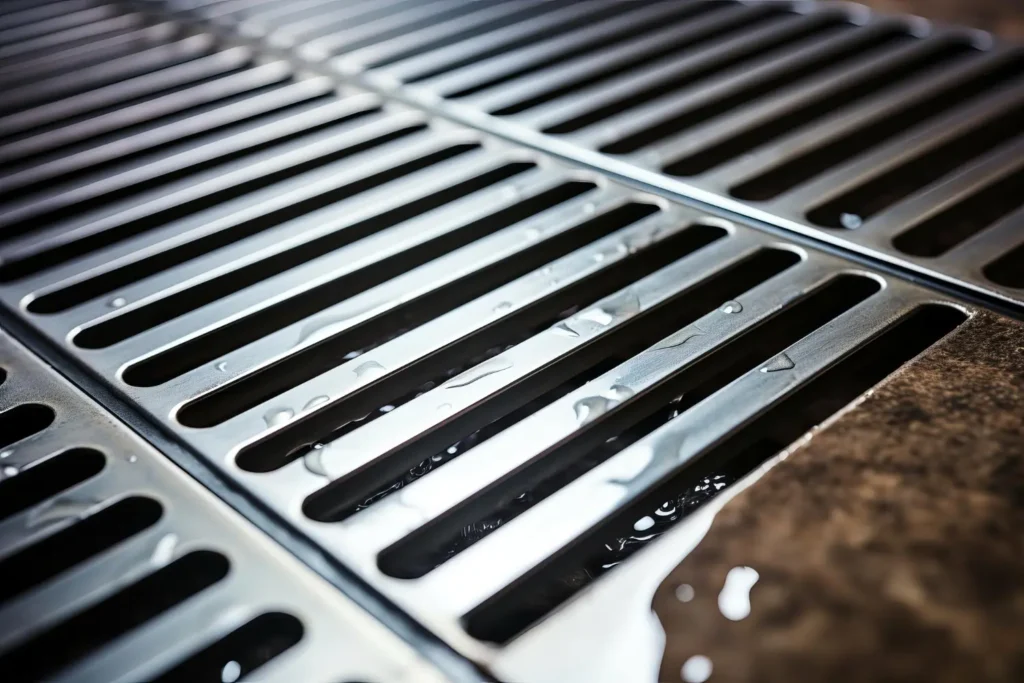
| Manhole covers & site furnishings | Recessed covers 450-900 mm square or round, load classes A15-F900 (EN 124 style) | 304, 316L, duplex | Municipalities, utilities, landscape contractors |
| Pipe & plate work | Spools and manifolds DN25-DN600; plate processing 0.5-60 mm | 304, 316L, 2205 duplex | Process plants, OEMs |
The material backbone is the same across every zone: sheet and plate supplied to ASTM A240/A240M, with structural welds executed to AWS D1.x-class practice and cover load ratings referenced to EN 124 classes. Fuel tank work, for example, runs on tight flange positions and leak-test criteria, which is why it gets its own process discipline; see our guide to custom stainless steel fuel tanks for that zone in full. Each zone has its own selection logic, and sections 3 and 4 below carry the numbers buyers ask about most.
2. The verification checklist (decision framework)
This is the short version of what to check before you order. Every point can be verified with documents and photos, without a factory visit, which is how most international buyers actually work. If you want the complete factory-audit and supplier-verification workflow, our sourcing guide for stainless steel fabrication from China covers it end to end.
- Material proof. An MTC EN 10204 3.1 certificate tied to the heat number of the plate or coil, available before cutting starts.
- Grade verification. PMI (positive material identification) on incoming material, so 316L never quietly ships as 304.
- Weld QC. Documented welding procedure, visual inspection plus dye penetrant on critical seams, and a leak test on anything that holds liquid.
- Dimensional tolerances. Written millimeter values on critical features, not the word “standard.”
- Surface finish. An approved sample panel or a measurable callout: grit, Ra value, or finish designation such as #4 or 8K mirror.
- Documentation pack. MTC, weld and inspection reports, dimensional report, packing list, and ISPM-15 timber declaration, issued at shipment.
- Logistics terms. Agreed Incoterm, a container loading plan, and photos before the container doors close.
- Communication. A named engineer on the order who gives DFM feedback before cutting, not after.
- Payment structure. Milestones tied to material purchase, in-process inspection, and pre-shipment approval.
Two items do most of the heavy lifting: material traceability (items 1-2) and tolerances written in millimeters rather than adjectives (item 4). If a supplier accepts those in writing, the rest usually follows. To compare candidate shops against each other, use the framework in how to choose a stainless steel fabrication manufacturer in China.
3. Hard fabrication numbers: the tables platforms never publish
These are the numbers our quoting desk actually works with. They are deliberately conservative: a number that still holds during a busy month is worth more than one that only holds in a quiet one.
| Product family | Typical fabrication lead time | Notes |
|---|---|---|
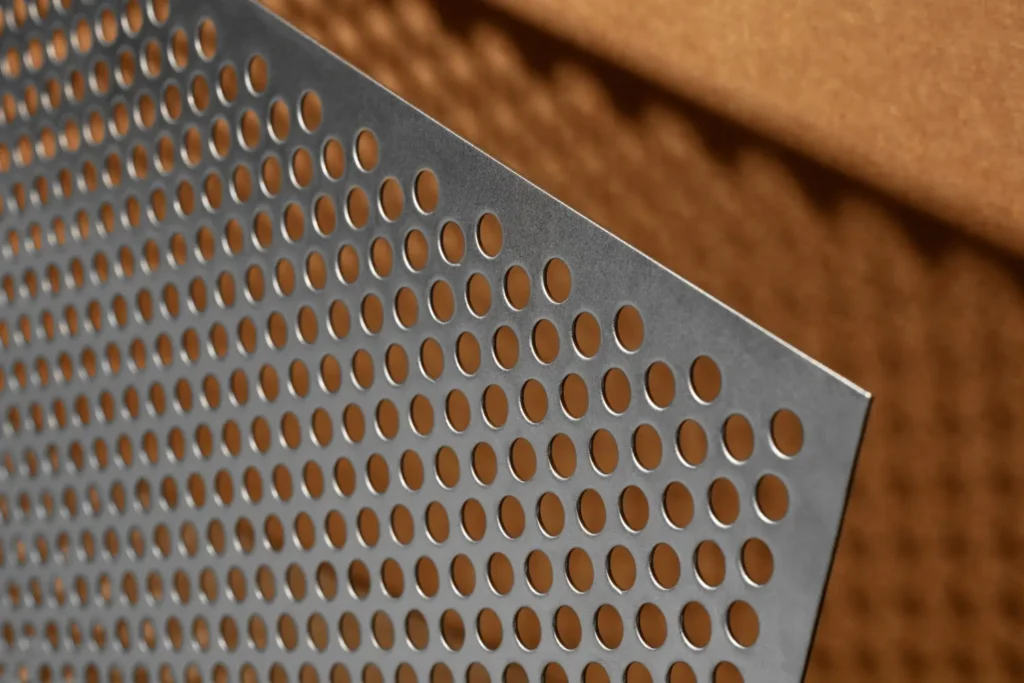
| Laser-cut flat parts & brackets | 10-15 days | Nesting efficiency drives material yield and price |
| Bent sheet & plate assemblies | 15-20 days | Repeat profiles amortize tooling setup |
| Tanks up to 50 m³ | 20-30 days | Includes weld inspection and hydrostatic test |
| Structural steel frames | 20-30 days | Batch size drives the schedule |
| Manhole covers & site furnishings | 15-25 days | Fabricated covers are faster than cast equivalents |
Add 2-4 business days for the quote itself. Fabrication is only one leg of the timeline: sea freight from Tianjin adds roughly 15-40 days depending on the destination port, so plan 6-10 weeks door-to-door for a first order that includes a pre-shipment inspection.
MOQ posture. Tanks, skids, and prototypes start at one unit. Small batches of 5-50 pieces are routine. Volume runs earn better nesting yield and unit pricing, but no serious shop turns away a single tank. What does exist is a material floor: a one-off part may carry the cost of a full sheet or plate, which is a raw-material fact, not a quantity restriction. The 2026 fabrication cost guide shows how these choices move the price.
Tolerances. The classes we quote against:
| Process | Typical tolerance | Notes |
|---|---|---|
| Laser cutting | ±0.1 mm on thin sheet, ±0.3 mm on plate to about 25 mm | Kerf and thickness drive the band; the laser cutting guide covers the mechanics |
| Press braking | ±0.5° on bend angle, ±0.5 mm on leg length | Typical flanges; long bends drift slightly more |
| Hole and cutout position | ±0.2-0.5 mm | Cut in the flat before bending |
| Welded assemblies | ±1-2 mm per meter overall | Depends on part stiffness and weld sequence |
If your assembly needs tighter than these classes, say so on the drawing. It changes fixturing, weld sequence, and price, and it is far cheaper to plan for it than to discover it at inspection.
Documentation standard. The default for export orders is an MTC EN 10204 3.1 certificate with chemistry and mechanical results certified against the heat number of the material actually used, plus PMI records on request. If you have never audited one of these documents, the guide on how to verify a material test report walks through it line by line.
4. Product selection tables: the excerpt set
Four decisions come up in almost every RFQ we receive. The tables below are the excerpt versions we use as starting points, and each one links to its deep-dive article.
Tank shell thickness vs capacity
| Capacity (vertical, atmospheric) | Typical shell thickness | Typical bottom plate |
|---|---|---|
| 1-5 m³ | 3 mm | 3 mm |
| 10-20 m³ | 4 mm | 5 mm |
| 50 m³ | 5 mm | 6 mm |
| 100 m³ | 6-8 mm | 8 mm |
| 200 m³ | 8-10 mm | 10 mm |
These figures are illustrative starting points for atmospheric water tanks. Final thickness depends on design code, nozzle loads, wind and seismic conditions, and transport limits. The full logic, including stiffener spacing and foundation loads, is in the custom stainless steel water tank guide.
Manhole cover load classes
| Class (EN 124 style) | Test load | Typical installation |
|---|---|---|
| A15 | 15 kN | Pedestrian zones, landscaped areas |
| B125 | 125 kN | Footways, car parks |
| C250 | 250 kN | Gully areas, kerbside channels |
| D400 | 400 kN | Carriageways, commercial vehicle traffic |
| E600 / F900 | 600 / 900 kN | Docks, aircraft pavements, heavy industry |
Match the class to the actual traffic, not the aspirational traffic; a recessed cover that can be infilled with paving has additional frame-depth choices. Full selection guidance, including frame depth and locking options, is in the recessed stainless steel manhole cover guide.
Gutter gauge vs support span
| Gauge | Typical support spacing | Where it fits |
|---|---|---|
| 1.5 mm | Up to 600 mm | Light rainwater runs with frequent brackets |
| 2.0 mm | Up to 900 mm | Commercial roofs at standard bracket spacing |
| 2.5-3.0 mm | Up to 1,200 mm | Exposed runs, higher debris and water loads |
| 4.0 mm | 1,500 mm and beyond | Heavy-duty industrial and bund applications |
Spans assume gutter widths of roughly 200-500 mm and a sensible profile; wider gutters and flat bottoms need closer support or a thicker gauge. The full gauge, slope, and expansion-joint logic is in the custom stainless steel gutter guide.
Grade choice: 304 vs 316L vs 2205 duplex
| Grade | PREN (approx.) | Practical chloride guidance | Typical use |
|---|---|---|---|
| 304 (UNS S30400) | 18-20 | Below about 200 ppm, cold, crevice-free | Indoor and architectural work, food contact, fresh-water tanks |
| 316L (UNS S31603) | 24-26 | Below about 1,000 ppm, cold, crevices designed out | Coastal sites, chemical and fuel duty, wastewater |
| 2205 duplex (S32205/S31803) | 34-38 | Brackish to seawater-range chlorides with engineering review | Offshore, high-chloride process, heavily loaded structures |
The chloride numbers assume moderate temperatures, no stagnant zones, and a design that drains. Temperature changes the game quickly, and crevices concentrate chlorides far above bulk values, so treat the ppm limits as screening guidance rather than a warranty. The full comparison, including cost delta and weld behavior, is in the 304 vs 316L stainless steel guide, and the World Stainless Association publishes the underlying corrosion data for anyone who wants to go deeper.

5. Ordering from China, transparently
This is how the commercial side works in practice, described the way we run it on our own orders.
Payment. The common structure for standard orders is a 30% T/T deposit with the 70% balance paid before shipment, against inspection photos or a third-party report. Larger builds often move to milestones, for example 30% on order, 40% after in-process inspection, 30% before shipment. Letter of credit at sight is workable for large orders and for first orders where the buyer’s finance team wants bank intermediation. The exact split follows order size and history; whatever is agreed goes into the proforma invoice, line by line.
Third-party inspection. Inspection by SGS, BV, or an equivalent agency is welcomed, and it is worth building the inspection window into the production schedule when the order is placed. The useful gates are incoming material verification, in-process weld checks, and pre-shipment dimensional sampling. An inspection-and-test plan agreed up front keeps everyone arguing about data instead of opinions.
Traceability. The MTC EN 10204 3.1 certificate travels with the order, and heat numbers should be traceable from the plate marking through cutting records to the packing list. That traceability is what makes a later question answerable, and it is also what a serious buyer checks first, as covered in section 2 of the checklist above.
Incoterms and port. Our default quote is FOB Tianjin, which puts the material on the vessel and hands ocean freight to the buyer. CIF works when the buyer wants one party responsible to the destination port, and EXW suits buyers consolidating several Chinese suppliers into one container. Tianjin (Xingang) is the loading port for all three.
Packing. Seaworthy export packing is part of the quote, not an afterthought: ISPM-15 heat-treated timber crates and pallets, protective film on polished and mirror surfaces, desiccant, and a container loading plan photographed before the doors close. A mirror-finish panel that arrives scratched is a failed order regardless of how good the welds are. The way these items appear on a formal quotation is covered in the fabrication pricing guide for industrial buyers.
6. How to prepare an RFQ that gets a real quote
The difference between a real quote and a budget guess is file completeness. Here is the package that lets a fabricator quote accurately on the first pass:
- Geometry. STEP or IGES for 3D parts; DXF or DWG at 1:1 scale in millimeters for laser-cut parts; a 2D PDF drawing that pins the critical dimensions and tolerances. The 2D PDF is the contract document when the two disagree, so make it explicit.
- Material and finish. Grade to ASTM A240 (304, 316L, 2205), thickness, and a finish callout: 2B, #4 satin at grit 180-240, 8K mirror, or an Ra target such as Ra ≤0.8 µm for food-contact surfaces. The full designation system is in the stainless steel surface finishing guide.
- Weld callouts. Preferred process (TIG for corrosion-critical and visible seams, MIG for heavier structural work), penetration requirement, weld sizes, cosmetic expectation (as-welded, ground, or ground and polished), and the leak-test method where applicable: hydrostatic hold or vacuum box.
- Bend radii. Call the inside radius; a safe default for 304 and 316L is at least 1× thickness. Mark bend lines on the drawing, and note grain direction on cosmetically critical parts.
- Tolerances. Mark the critical fits. For everything else, default classes apply: cut edges ±0.2 mm, bends ±0.5 mm and ±0.5°, welded assemblies ±1-2 mm per meter.
- Documentation. State the requirement for MTC EN 10204 3.1, PMI records, and a dimensional report.
- Quantity and schedule. Quantity per part, delivery schedule, destination port, and a target price range if you have one. The target is optional, but it focuses DFM suggestions where they matter.
Send that package and you get an itemized, accurate quote in 2-3 business days, with DFM notes where the design fights the process. Send a photograph of a napkin sketch and you get a wide budget range, or silence, because any honest quote would have to pad for unknowns. That is the entire conversion secret of this section: complete RFQ in, real quote out.
7. Frequently Asked Questions
What is the minimum order quantity for custom stainless steel fabrication in China?
Most export shops quote from one unit. Tanks, skids, and prototypes typically start at a single piece, small batches of 5-50 parts are routine, and volume runs unlock better nesting yield and unit pricing. The real floor is material, not quantity: a one-off part may carry the cost of a full sheet.
How long does custom stainless steel fabrication from China take, including shipping?
Fabrication runs 15-30 days for most product families: 10-15 days for flat-cut parts, 20-30 days for tanks and structural frames. Add 2-4 business days for quoting and roughly 15-40 days of ocean transit from Tianjin depending on destination. Plan 6-10 weeks door-to-door for a first order with pre-shipment inspection.
Do Chinese fabricators provide EN 10204 3.1 material certificates?
Export-oriented shops supply MTC EN 10204 3.1 certificates as standard, with chemical and mechanical results certified against the heat number of the plate or coil actually used. Ask for the MTC before shipment, and cross-check the heat number against plate markings and PMI records. Hesitation on this point is a red flag.
Should I choose 304 or 316L for an outdoor project?
For inland architectural work washed by rainfall, 304 is the cost-effective default. For coastal sites, de-icing salt exposure, or chloride-bearing process media, specify 316L: the 2-3% molybdenum lifts pitting resistance (PREN about 24-26 vs 18-20 for 304). For seawater-range chlorides, review 2205 duplex with your engineer.
What files do I need to send to get a quote?
Send STEP or IGES for 3D parts, DXF at 1:1 scale in millimeters for cutting, and a 2D PDF that pins tolerances, weld callouts, and finish. Add grade, thickness, quantity, and destination port. A complete package returns an accurate quote in 2-3 business days; a sketch-only request returns a budget range at best.
Can I arrange third-party inspection before shipment?
Yes. Reputable shops welcome SGS, BV, or equivalent inspections at key gates: incoming material verification, in-process weld checks, and pre-shipment dimensional sampling. Book the inspection window into the production schedule, agree on the inspection and test plan upfront, and hold the final payment until the report is clean.
Ready to spec it?
If your RFQ is ready, or close to it, send it over. A complete package (geometry, grade, tolerances, finish, quantity, and destination port) returns an accurate, itemized quote in 2-3 business days, with DFM notes, a lead-time plan, and the documentation list attached. Request your custom stainless steel fabrication quote and compare a real number against your budget, not a guess.