
Stainless steel laser cutting is a precision fabrication process that uses a focused high-power laser beam to cut stainless steel sheets and plates with tolerances as tight as ±0.05mm. This technology has become the preferred method for industrial metal cutting, delivering edge quality of Ra 3.2μm surface roughness at speeds up to 40m/min for thin sheets.
Whether you’re an engineer specifying tolerances, a procurement manager sourcing from China, or a contractor needing custom parts, this guide covers everything about stainless steel laser cutting — from technology types to quality control.
What Is Stainless Steel Laser Cutting?
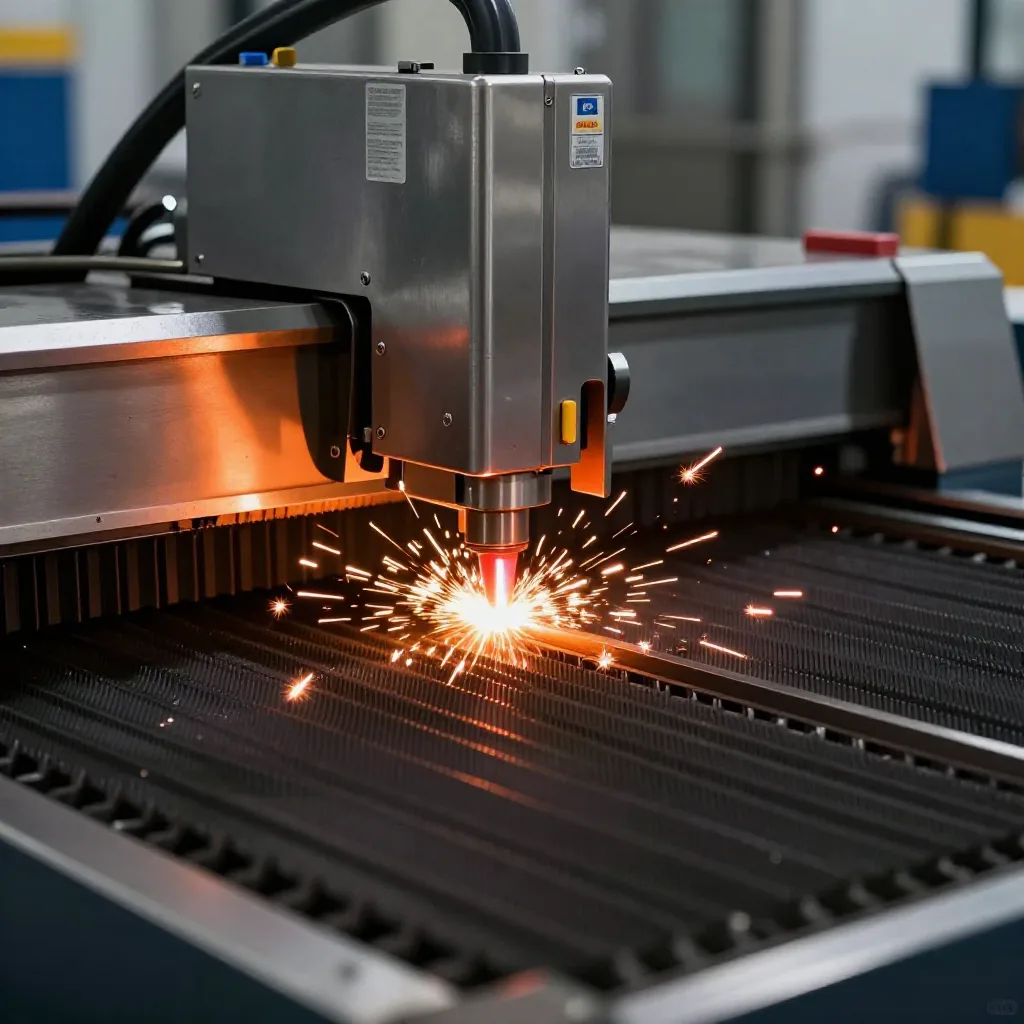
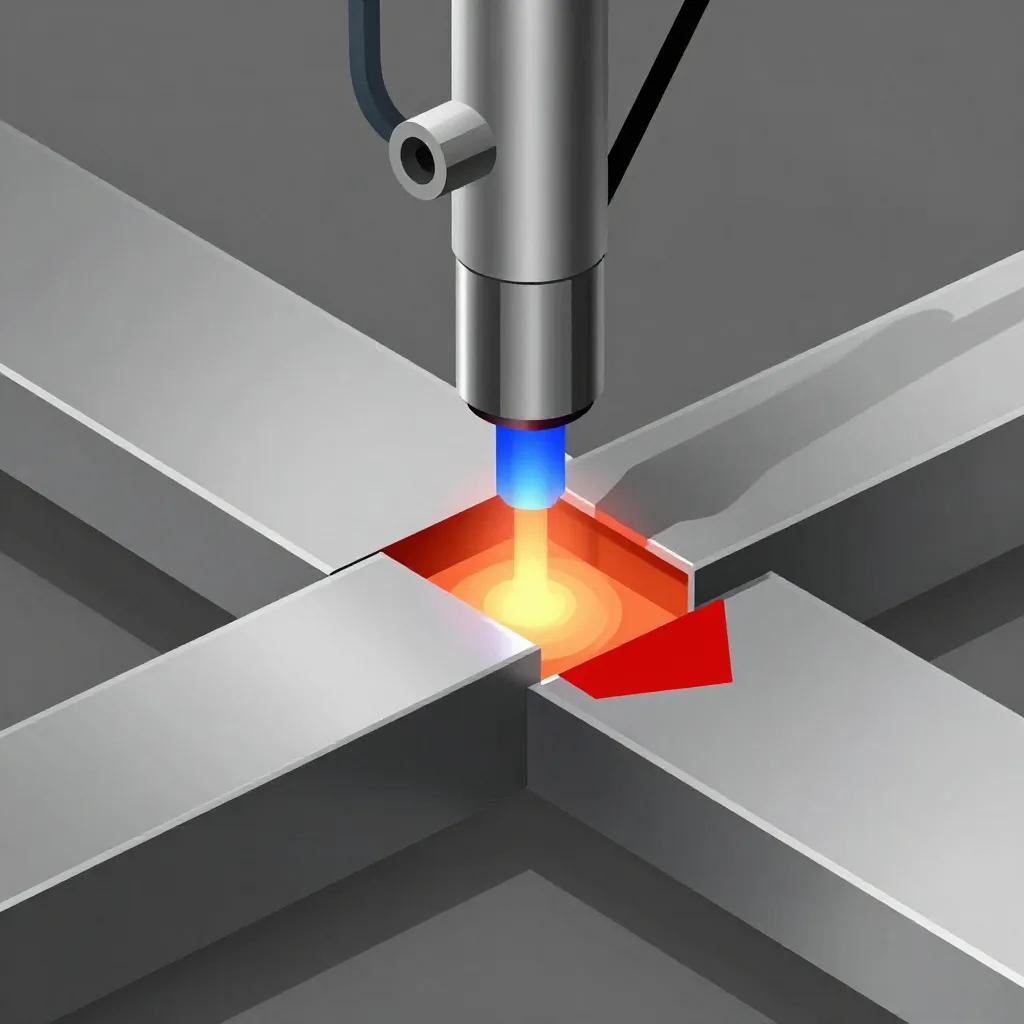
Stainless steel laser cutting uses a focused, high-powered laser beam to melt, burn, or vaporize metal along a CNC-programmed path. The process is controlled by Computer Numerical Control systems that guide the laser head with extreme precision.
Key specifications of stainless steel laser cutting:
- Cutting thickness: 0.5mm to 50mm (depending on laser power)
- Positioning accuracy: ±0.05mm
- Repeatability: ±0.03mm
- Edge quality: Ra 3.2–6.3μm (smooth, minimal burr)
- Cutting speed: Up to 40m/min for thin sheets
Modern fiber lasers cut stainless steel 3–5x faster than older CO2 lasers while consuming 50–70% less energy, making stainless steel laser cutting the most cost-effective precision cutting method available.
Types of Laser Cutting Technology
Fiber Laser Cutting
Fiber lasers are the current industry standard for stainless steel laser cutting. They use a solid-state laser source with a fiber optic delivery system.
Advantages of fiber laser for stainless steel laser cutting:
- Highest cutting speed (especially for thin to medium thickness)
- Lowest operating cost per meter
- Excellent beam quality for fine details
- Minimal heat-affected zone (HAZ)
- 100,000+ hour laser source lifespan
Best for: 0.5–25mm stainless steel, high-volume production, intricate profiles
CO2 Laser Cutting
CO2 lasers use a gas mixture excited by electrical discharge. While largely replaced by fiber lasers for metal cutting, they still have niche applications in stainless steel laser cutting.
When to use CO2:
- Very thick plates (25–50mm) where edge quality is critical
- Non-metallic materials (wood, acrylic) in mixed workshops
- Legacy equipment already in place
Fiber vs CO2 Laser Comparison
| Parameter | Fiber Laser | CO2 Laser |
|---|---|---|
| Cutting speed (thin SS) | 3–5x faster | Baseline |
| Cutting speed (thick SS) | Comparable | Slightly better edge |
| Operating cost | Low (electricity only) | Higher (gas + mirrors) |
| Maintenance | Minimal | Regular mirror alignment |
| Reflective materials | Handles well | Can be problematic |
Advantages of Laser Cutting for Stainless Steel
1. Superior Precision
Stainless steel laser cutting achieves tolerances of ±0.05mm — impossible with plasma (±1mm) or waterjet (±0.1mm). This precision eliminates secondary machining for most applications.
2. Clean Edge Quality
Modern fiber lasers produce edges with Ra 3.2μm surface roughness. Most parts require no deburring, saving time and cost in downstream processing.
3. Minimal Heat-Affected Zone
The focused laser beam creates a narrow kerf (0.1–0.3mm) with minimal heat transfer to surrounding material. This preserves stainless steel’s corrosion resistance by avoiding sensitization.
4. Complex Geometries
CNC stainless steel laser cutting handles intricate shapes, tight internal radii (down to 0.5mm), and complex contours that would be impossible or prohibitively expensive with mechanical cutting.
5. Speed and Efficiency
A 6kW fiber laser cuts 3mm stainless steel at 25–30m/min. For production runs, this translates to shorter lead times and lower per-part costs.
6. Material Utilization
Nesting software optimizes part layout on each sheet, achieving 80–90% material utilization versus 60–70% with manual cutting methods.
Cutting Parameters by Stainless Steel Grade
Different stainless steel grades require adjusted cutting parameters for stainless steel laser cutting due to variations in thermal conductivity, reflectivity, and alloy composition.
304/304L Stainless Steel
The most commonly laser-cut grade. Excellent cutability due to austenitic structure.
| Thickness | Laser Power | Speed | Gas | Pressure |
|---|---|---|---|---|
| 1mm | 1kW | 35–40 m/min | N₂ | 10–12 bar |
| 3mm | 3kW | 20–25 m/min | N₂ | 12–15 bar |
| 6mm | 6kW | 8–12 m/min | N₂ | 15–18 bar |
| 10mm | 8kW | 3–5 m/min | N₂ | 18–20 bar |
| 20mm | 12kW | 1.0–1.5 m/min | N₂ | 20–22 bar |
316L Stainless Steel
Higher nickel and molybdenum content makes 316L slightly more challenging. Requires 5–10% slower speeds than 304 for stainless steel laser cutting.
2205 Duplex Stainless Steel
The dual-phase structure demands precise power control. Expect 15–20% slower cutting speeds compared to 304.
Key Factors Affecting Cut Quality
- Nitrogen purity: Use 99.99%+ N₂ for bright, oxide-free edges
- Nozzle distance: Maintain 0.5–1.0mm standoff for consistent results
- Focus position: Adjust for each thickness (typically -0.5 to -2.0mm below surface)
- Sheet flatness: Warped sheets cause inconsistent kerf and dross formation
Applications Across Industries
Chemical & Petrochemical
Stainless steel laser cutting components for chemical processing:
- Heat exchanger plates with complex channel patterns
- Reactor vessel nozzles and flanges
- Filter housings with precise mesh mounting slots
- Pipe fittings and connection components
Food & Pharmaceutical
FDA-compliant stainless steel laser cutting for food-contact surfaces:
- Tank fittings and manway covers
- Conveyor components with burr-free edges
- Valve bodies and sanitary fittings
- Equipment mounting brackets
Architecture & Construction
Decorative and structural laser-cut panels:
- Facade panels with custom perforations
- Balustrade and railing components
- Elevator interior panels
- Structural connection plates
Automotive & Transportation
Precision components for vehicle manufacturing:
- Exhaust system components
- Structural reinforcements
- Battery housing for EVs
- Hydraulic manifold blocks
Quality Control & Tolerances
Dimensional Accuracy
| Specification | Standard Tolerance | Premium Tolerance |
|---|---|---|
| Linear dimensions | ±0.1mm | ±0.05mm |
| Hole diameter | ±0.1mm | ±0.05mm |
| Positional accuracy | ±0.1mm | ±0.05mm |
| Perpendicularity | 0.1mm/100mm | 0.05mm/100mm |
Edge Quality Standards
- Dross-free: No residual burr on bottom edge
- Surface roughness: Ra ≤ 6.3μm (standard), Ra ≤ 3.2μm (premium)
- Heat-affected zone: < 0.1mm for fiber laser cuts
- Edge squareness: 89.5°–90.5° (perpendicular cuts)
Inspection Methods
- CMM (Coordinate Measuring Machine) for critical dimensions
- Surface profilometry for edge roughness
- Visual inspection under 10x magnification
- Material verification via spectrometer
How to Choose a Stainless Steel Laser Cutting Supplier
1. Equipment Capability
Ask about:
- Laser type and power (fiber vs CO2, kW rating)
- Maximum cutting area (standard: 3000x1500mm or 4000x2000mm)
- Maximum cutting thickness for stainless steel
- Automation level (auto-loading, unattended operation)
2. Quality Certifications
Essential certifications for stainless steel laser cutting:
- ISO 9001:2015 (Quality Management)
- ISO 14001:2015 (Environmental Management)
- ISO 45001:2018 (Occupational Health & Safety)
- Material traceability documentation
3. Technical Support
A reliable stainless steel laser cutting supplier provides:
- DFM (Design for Manufacturability) review
- Material certificates (EN 10204 3.1)
- First Article Inspection (FAI) reports
- Packaging specifications for international shipping
4. Production Capacity
Evaluate:
- Number of laser cutting machines
- Shift patterns (24/7 vs single shift)
- Typical lead times for prototype and production
- Scalability for volume orders
5. Communication & Service
For international buyers:
- English-speaking engineering team
- Timezone overlap for real-time communication
- Sample and prototype capability
- Flexibility for small batch orders
Cost Factors & Pricing
Primary Cost Drivers
- Material cost (40–50%): Stainless steel grade, thickness, and market price
- Cutting time (25–35%): Complexity, length of cut path, thickness
- Setup time (10–15%): Programming, nesting, machine preparation
- Finishing (5–10%): Deburring, polishing, surface treatment
- Quality control (5%): Inspection, documentation, certification
Price Reduction Strategies
- Optimize design: Reduce tight radii and intricate features
- Batch ordering: Larger quantities reduce per-unit setup costs
- Standard thicknesses: Use stock sizes (1mm, 1.5mm, 2mm, 3mm, etc.)
- Simplify tolerances: Use ±0.2mm instead of ±0.05mm where possible
- Nesting-friendly shapes: Design parts that nest efficiently
Typical Price Ranges (2026)
| Component | Complexity | Price Range (USD/pc) |
|---|---|---|
| Simple bracket | Low | $0.50–$2.00 |
| Flange plate | Medium | $3.00–$15.00 |
| Complex manifold | High | $25.00–$100.00 |
| Custom enclosure | High | $50.00–$200.00 |
Prices vary by quantity, thickness, and finish requirements. Request a quote for accurate pricing.
Frequently Asked Questions
What is the maximum thickness stainless steel can be laser cut?
Modern high-power fiber lasers (12kW+) can cut stainless steel up to 50mm thick. However, for optimal edge quality and speed, most stainless steel laser cutting occurs in the 0.5–25mm range. Beyond 25mm, edge quality and cutting speed decrease significantly.
What’s the difference between nitrogen and oxygen assist gas?
Nitrogen (N₂): Produces bright, oxide-free edges. Used for stainless steel laser cutting to maintain corrosion resistance. Higher operating cost due to consumption volume.
Oxygen (O₂): Creates an oxidized (dark) edge. Faster cutting for thick plates but compromises surface quality and corrosion resistance. Not recommended for stainless steel in most applications.
How does laser cutting affect stainless steel’s corrosion resistance?
When done correctly with nitrogen assist gas, stainless steel laser cutting has minimal impact on corrosion resistance. The narrow heat-affected zone (0.05–0.1mm) does not significantly alter the material’s passive chromium oxide layer. For critical applications, post-cut passivation is recommended.
What tolerances can be achieved with laser cutting?
Standard stainless steel laser cutting achieves ±0.1mm tolerance. Premium precision cutting reaches ±0.05mm. For even tighter tolerances (±0.02mm), secondary machining operations are required.
Can laser cutting handle reflective stainless steel?
Yes. Modern fiber lasers handle reflective materials (including polished stainless steel) without the back-reflection issues that plagued older CO2 systems. However, highly reflective surfaces may require adjusted parameters to prevent surface damage during stainless steel laser cutting.
What file formats are needed for laser cutting quotes?
Provide DXF or DWG files for 2D profiles. For 3D parts, STEP or IGES files work best. Include material specification, thickness, quantity, and any special finish requirements for stainless steel laser cutting.
How long does laser cutting take?
For prototype quantities (1–10 pieces): 3–5 business days including setup. Production runs (100+ pieces): 1–2 weeks depending on complexity and quantity. Expedited service is typically available for urgent stainless steel laser cutting orders.
Conclusion
Stainless steel laser cutting combines precision, speed, and versatility in ways that traditional cutting methods cannot match. From thin-gauge decorative panels to thick structural components, laser technology handles the full spectrum of stainless steel fabrication needs.
Key takeaways:
- Fiber lasers offer the best performance for stainless steel laser cutting
- Nitrogen assist gas preserves corrosion resistance
- Standard tolerances of ±0.05mm are achievable
- Material utilization reaches 80–90% with optimized nesting
- Quality control with CMM inspection ensures consistency
Ready to start your stainless steel laser cutting project?
As an ISO-certified manufacturer with 6 high-power fiber laser machines (3kW–12kW), ZEMSS delivers precision stainless steel laser cutting for global B2B clients. Our engineering team provides DFM review, material selection guidance, and full traceability documentation.
This guide was written by the ZEMSS Engineering Team — 20+ years of stainless steel fabrication experience in Taiyuan, Shanxi, China.
Sources:
- Laser Institute of America – Laser Cutting Standards
- International Stainless Steel Forum – Fabrication Guidelines
- ISO 9015-1:2021 – Destructive tests on welds in metallic materials
Related Articles:
- 304 vs 316L Stainless Steel: Complete Comparison Guide
- Stainless Steel Surface Finishing: Complete Guide
- How to Choose a Stainless Steel Fabrication Manufacturer