
Inconel 625 vs 904L Stainless Steel: When the Nickel Alloy Is Worth Its Price
The short answer: 904L is the economical super-austenitic stainless for sulfuric and chloride service; Alloy 625 is the nickel superalloy you buy when the process exceeds what any stainless can survive. If your chemistry is sulfuric or phosphoric acid at moderate concentrations and temperatures, 904L was literally designed for you and costs a fraction of a nickel alloy. If you face hot concentrated hydrochloric acid, mixed acid systems, severe sea water duty, or high-temperature corrosive gas, 625’s price is no longer optional — it is the only material that lasts.
This guide compares the chemistry, corrosion behaviour, temperature limits, fabrication, and real cost picture between Alloy 625 (Inconel 625) vs 904L stainless steel, and gives you a framework for choosing. For corrosive-process context see our chemical processing materials guide; for certification checks, our MTR verification guide.
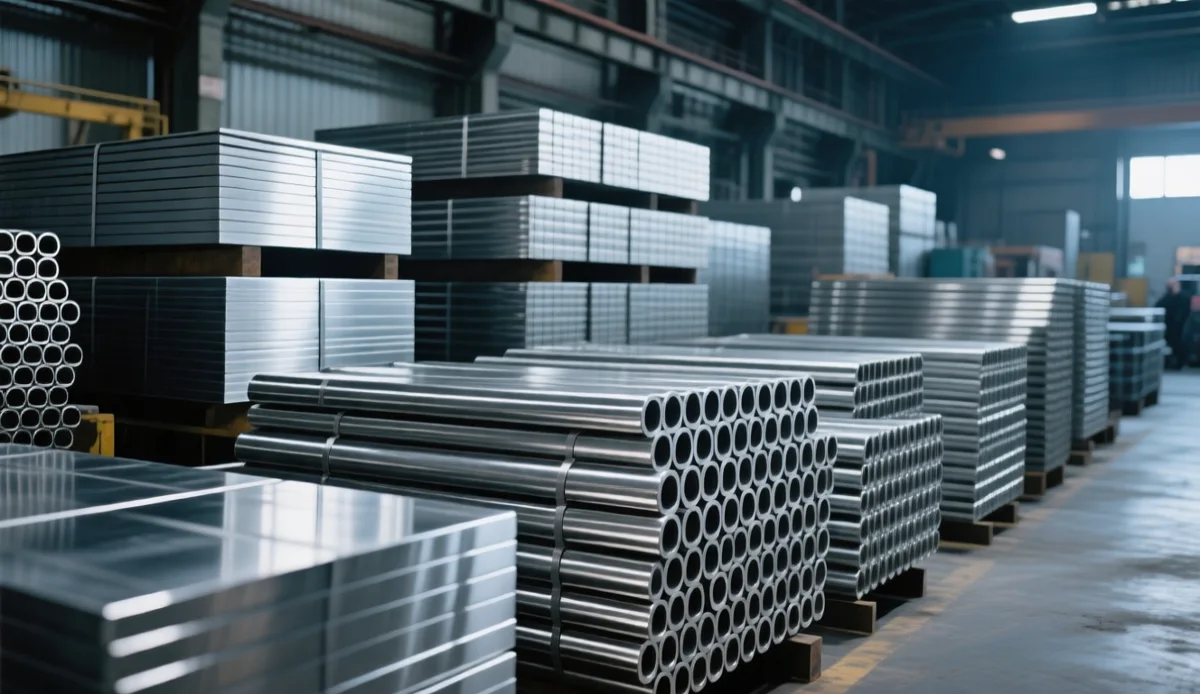
Two Different Leagues of Corrosion-Resistant Alloy
These two materials are often shortlisted together, but they belong to different families with different logic.
904L (UNS N08904, EN 1.4539) is a super-austenitic stainless steel — high chromium, high nickel (about 25%), substantial molybdenum, plus copper, all at low carbon. It was developed specifically for sulfuric acid service, where standard 316L fails. Within the stainless family it sits at the corrosion-resistant top end, but it is still stainless: austenitic, weldable with standard techniques, and priced as an alloy steel.
Alloy 625 (UNS N06625, commonly called Inconel 625, EN 2.4856) is a nickel-based superalloy — more than half nickel, alloyed with chromium, molybdenum, and niobium. It resists virtually every aqueous corrosive environment, keeps high strength to red heat, and costs several times what 904L does. It is the material of last resort in chemistry and the first choice in aerospace hot sections.
The decision between them is rarely about capability alone — 625 wins almost every capability test. It is about whether the service is bad enough to justify the price gap.
Chemical Composition Compared
| Element | 904L (N08904) | Alloy 625 (N06625) | Why it matters |
|---|---|---|---|
| Nickel (Ni) | 23.0–28.0% | ≥ 58% (balance) | 625 is a nickel alloy; drives both performance and price |
| Chromium (Cr) | 19.0–23.0% | 20.0–23.0% | Oxidation + pitting resistance |
| Molybdenum (Mo) | 4.0–5.0% | 8.0–10.0% | 625’s Mo doubles resistance to reducing acids |
| Copper (Cu) | 1.0–2.0% | — | 904L’s copper targets sulfuric acid |
| Niobium (Nb) | — | 3.15–4.15% | Solid-solution strengthens 625 |
| Carbon (C) | 0.02% max | 0.10% max | 904L kept ultra-low-carbon |
On the PREN scale (%Cr + 3.3×%Mo + 16×%N), 904L lands around 36 — well above 316L’s ~25 — while 625 reaches roughly 48–50. That is a significant gap in resistance to chlorides, reducing acids, and crevice attack.
Corrosion Resistance: Where Each Grade Rules
Both materials are excellent against chlorides, oxidizing media, and most organic acids — the difference shows up at the extremes.
Where 904L is the right answer:
- Sulfuric acid — its home turf. 904L handles dilute to moderately concentrated sulfuric at ambient-to-moderate temperatures, the classic application in fertilizer plants, pickling lines, and acid storage. The copper addition is there specifically for sulfuric.
- Phosphoric acid production — standard material for wet-process phosphoric acid equipment.
- Chloride-bearing waters at moderate temperature — cooling water, brackish water, many chemical process streams. PREN 36 gives genuine pitting resistance beyond any standard stainless.
Where 625 becomes necessary:
- Hot, concentrated hydrochloric and other reducing acids — the Mo-rich nickel matrix survives conditions that corrode every stainless, including 904L.
- Mixed-acid chemistry — sulfuric + hydrofluoric, acid-chloride mixtures, acid gas scrubbing: mixed media are where stainless selection falls apart and 625 keeps working.
- Severe sea water and subsea — 625 is a standard for subsea oil & gas hardware, hot sea water, and stagnating chloride service. It is essentially immune to chloride stress corrosion cracking.
- High-temperature oxidation and hot gas — exhaust, furnace, and aerospace components; see below.
Temperature Capability: 625 Plays a Different Sport
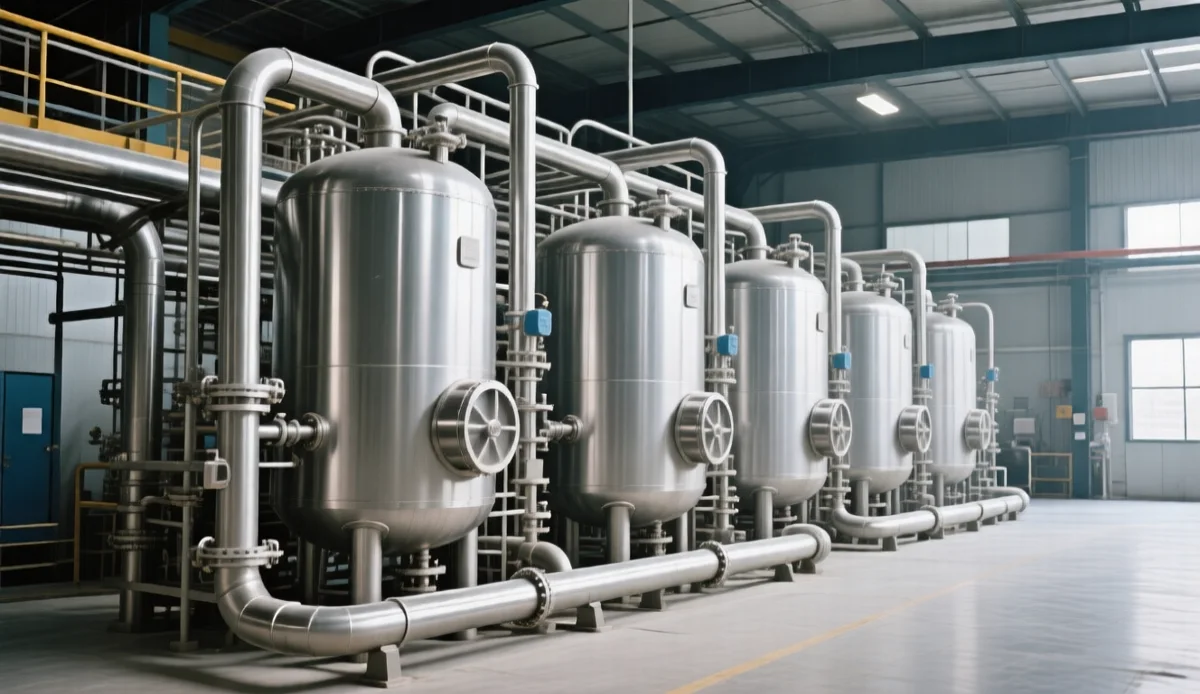
This comparison is not close at temperature. 904L, like all austenitic stainless steels, is limited to roughly 350–450°C continuous service before strength falls and microstructure concerns grow. It is a corrosion alloy, not a heat alloy.
Alloy 625 keeps working to about 980°C in oxidation duty. The niobium/molybdenum solid-solution strengthening that gives it high ambient strength (~460 MPa yield, roughly double 904L’s ~220 MPa) holds deep into the red-hot range, which is why 625 appears in jet engine ducting, furnace hardware, exhaust systems, and hot chemical reactors. If your service combines heat and corrosion — hot acid gas, reactor internals, combustion environments — no stainless competes; this is nickel alloy territory.
Fabrication and Welding
904L fabricates much like other austenitic stainless steels: readily weldable with matching 904L-type fillers (or 347/625 filler in mixed-service joints), good formability, machinable with standard tooling. Shops that handle 316L handle 904L with minor parameter adjustments.
625 is a tougher customer:
- Machining — it work-hardens fast and is gummy; rigid setups, sharp carbide tooling, and slower speeds are mandatory. Budget significantly more machining time than stainless.
- Welding — weldable with matching 625 filler (ERNiCrMo-3), but cleanliness and heat control matter; the weld metal is high-alloy and solidification-sensitive compared with stainless.
- Forming — higher strength means heavier press loads and more springback.
So a 625 job is more expensive twice over: the material itself, and the shop time to work it. Our welding process guide covers the stainless side; for 625, insist on a fabricator with documented nickel-alloy weld procedures.
Cost: The Number That Drives This Decision
The price gap is the core of the 625 vs 904L comparison. Per tonne, Alloy 625 typically costs several times what 904L does — driven by its nickel and niobium content, smaller mill volumes, and longer lead times. 904L itself carries a premium over 316L (roughly double, historically), but that is a different order of magnitude from 625.
A worked example. A sulfuric acid dilution tank in a fertilizer plant, operating at moderate concentration and 40°C: 904L gives decades of service and keeps the project affordable — specifying 625 here would multiply the material cost several times for corrosion margin the chemistry never uses. Now take a hot acid-gas scrubber section handling mixed chlorides and sulfuric at 150°C: 904L (and every stainless) will corrode through in months, so 625 is not a premium option but the only option — and its “expensive” price beats replacing a failed vessel every quarter. Rule: buy the cheapest material that survives the full chemistry-temperature envelope, and verify the envelope honestly. Under-specification costs more than over-specification when failures are involved, but paying for 625 in 904L chemistry is pure waste.
Application-by-Application Selection Guide
| Application | Recommended | Why |
|---|---|---|
| Sulfuric acid storage & dilution (moderate) | 904L | Purpose-built; economical |
| Phosphoric acid plant equipment | 904L | Industry standard for wet-process acid |
| FGD scrubber internals | 904L (625 in hottest zones) | Acid chlorides; 625 where temps climb |
| Pickling tanks & acid lines | 904L (625 if HF present) | Hydrofluoric forces nickel alloys |
| Sea water / subsea hardware | 625 (904L for cool, clean duties) | 625 for stagnant, hot, critical service |
| Hot reactor internals, heat >450°C | 625 | No stainless survives this window |
| Pressure vessels in mixed acids | 625 or lined 625 | See our pressure vessel standards guide |
| General chemical process (cool, oxidizing) | 904L or 316L | Don’t pay for superalloys unnecessarily |
| Architecture / watchmaking-grade trim | 904L | Polishable, corrosion-strong, formable |
Common Misconceptions
“625 is simply better stainless.” It is not stainless — it is a nickel-base superalloy. Calling it “better stainless” hides the fact that it costs several times more and machines much slower. Specify it only where chemistry or temperature demands it.
“904L is a luxury grade with no practical reason.” It has a precise practical reason: sulfuric and phosphoric acid service at stainless-family prices. It is a workhorse material in the acid-processing industries, not a prestige option. (Its fame from luxury watches is a side effect of its polish and corrosion resistance.)
“If 904L is good, 625 is safe everywhere.” True for corrosion, false for budgets and lead times. A plant full of 625 vessels where 904L would survive is millions of dollars of wasted nickel. Match the alloy to the worst real condition — then stop upgrading.
“Substituting between them is easy.” It changes weight, weld procedure, machining time, and code allowables. Any substitution should be a documented engineering decision, not a procurement convenience.
How to Verify What You Received
At this price level, material verification is essential — a silent substitution of 316L for 904L, or 825-family alloy for 625, is expensive fraud. Protections:
- MTR check — confirm actual chemistry against UNS N08904 or N06625 ranges. Nickel content is the headline: ~25% for 904L vs 58%+ for 625.
- PMI on every critical piece — portable XRF separates the grades in seconds. Our MTR guide covers the document side.
- Source discipline — buy nickel alloys from suppliers who provide mill certificates from recognized producers; be wary of prices far below market for 625.
We supply 904L and can source nickel alloys with full certification; tell us the service chemistry and we will recommend the grade that actually needs to be there — no more, no less.
Frequently Asked Questions
The questions we hear most about Inconel 625 vs 904L, answered straight.
What is the main difference between Inconel 625 and 904L?
Family and price. 904L is a super-austenitic stainless steel (~25% Ni) built for sulfuric/phosphoric acid service at stainless prices. Alloy 625 is a nickel-base superalloy (58%+ Ni) resisting nearly every corrosive medium to ~980°C, at several times the cost. 625 is the stronger corrosion and temperature performer; 904L is the economic answer when the chemistry allows it.
Is Inconel 625 more corrosion-resistant than 904L?
Yes, across nearly all media — notably hot hydrochloric and mixed acids, severe chlorides, and high-temperature oxidation. But “more resistant” is only worth paying for when 904L would actually fail in your service.
Can 904L replace 316L everywhere?
Technically yes — it is strictly more corrosion-resistant. Economically, only where chlorides or acids defeat 316L. 904L costs roughly double 316L, so use it where that margin is needed: sulfuric/phosphoric service, warm chlorides, acid storage.
What temperature can each material handle?
904L is limited to roughly 350–450°C continuous service. Alloy 625 operates to about 980°C in oxidation duty, which is why it appears in exhaust, furnace, and aerospace applications where stainless cannot go.
How much more expensive is Alloy 625 than 904L?
Typically several times more per tonne, plus higher fabrication cost (slower machining, nickel-alloy weld procedures) and longer lead times. Exact multiples vary with nickel prices and product form — get both quoted for the real comparison.
Which material for a sulfuric acid tank?
Usually 904L — it was developed for exactly this service and keeps the cost rational. Move to 625 only if the acid is hot and concentrated, contaminated with chlorides or HF, or the vessel sees mixed-acid duty.
Is 904L weldable with normal stainless procedures?
Largely yes — matching 904L-type filler, controlled heat input, standard austenitic technique. Shops comfortable with 316L manage 904L with minor adjustments. Alloy 625 needs dedicated nickel-alloy procedures and fillers (ERNiCrMo-3).
Why is 904L famous from watches?
Some luxury watchmakers use 904L for cases because it polishes brilliantly and resists sweat and sea water better than standard watch steels. That consumer fame is a side effect; the alloy’s industrial home is acid processing.
Conclusion: Define the Envelope, Then Buy the Cheapest Alloy That Survives It
Write down the three numbers that matter — acid type and concentration, temperature, and chloride content — and the decision nearly makes itself. Sulfuric/phosphoric service at moderate temperature: 904L, confidently. Hot reducing acids, mixed acids, severe sea water, or any service above about 450°C: Alloy 625, without regret. In between, test before you spend: a coupon trial in the real process stream beats both under- and over-specification. Verify the MTR and PMI on delivery whichever you buy — at these prices, certification is not optional. For a grade recommendation tied to your actual chemistry, contact us with the service conditions and we will quote the right alloy.
References: ASTM A240 / A240M — super-austenitic stainless plate including 904L (ASTM). 1 ASTM B443 — Nickel-Chromium-Molybdenum-Columbium Alloy (UNS N06625) Plate, Sheet, and Strip. 2 Nickel Institute — nickel alloy and super-austenitic stainless selection for chemical processing (nickelinstitute.org). 3