
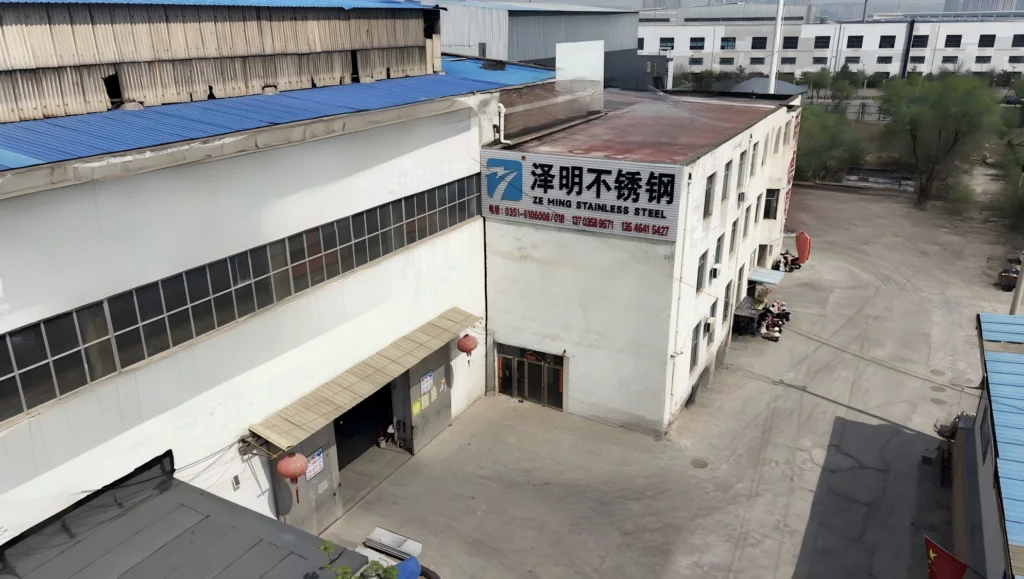
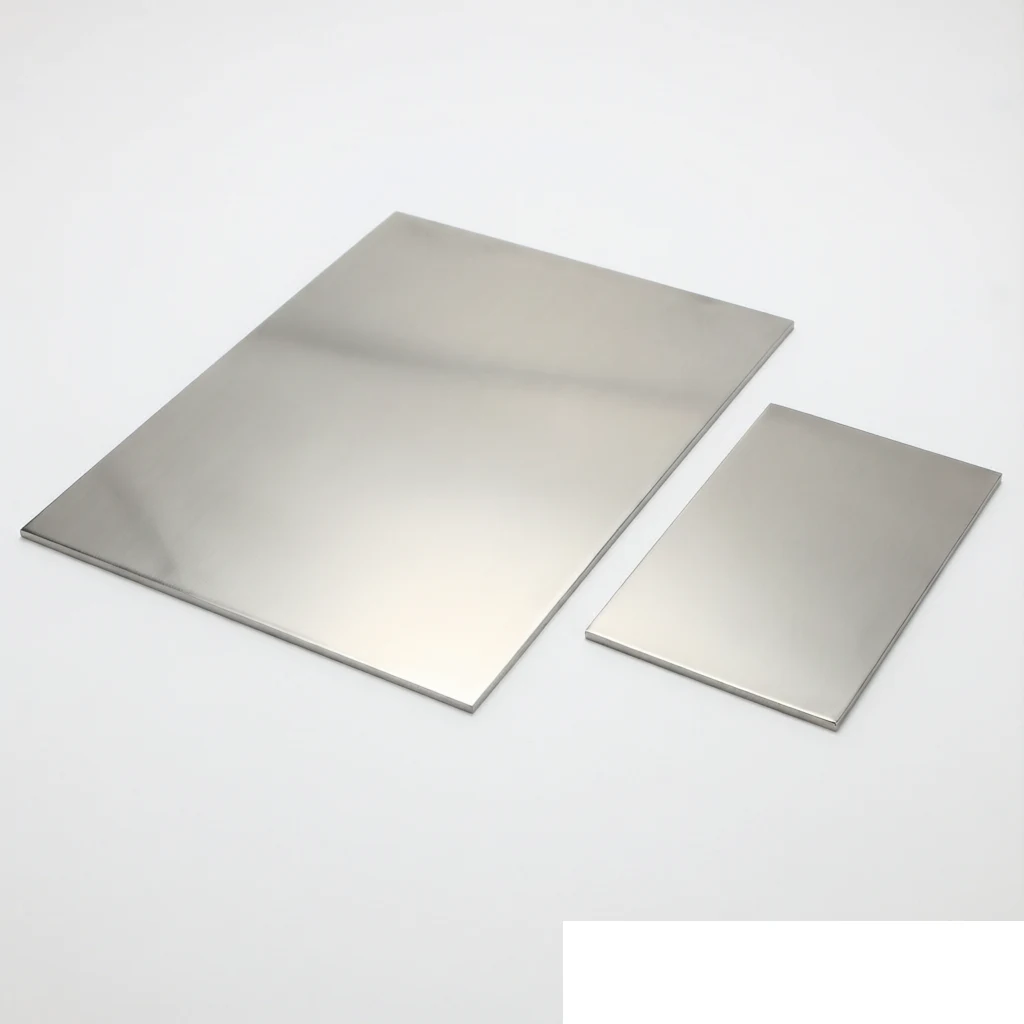
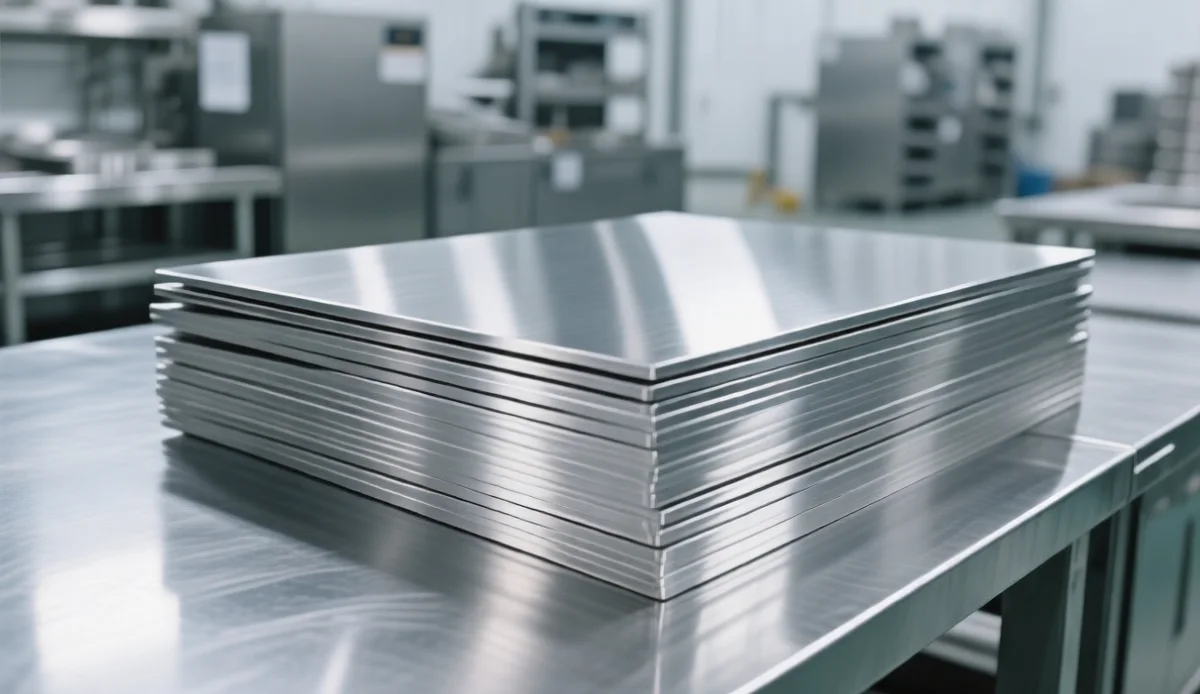
321 stainless steel plate is the titanium-stabilized austenitic grade for service in the 500–850 °C band — the stabilization prevents sensitization and intergranular corrosion during thermal cycling, where unstabilized grades like 304 become vulnerable. ZEMSS supplies GB-standard 321 plate from major Chinese mills with full mill documentation, plus cutting and fabrication from our Taiyuan facility.
Product Specifications
| Parameter | Specification |
|---|---|
| Grade | 321 (GB 06Cr18Ni11Ti · UNS S32100) |
| Standards | GB/T 4237 · ASTM A240 equivalent · EN 10088-2 equivalent |
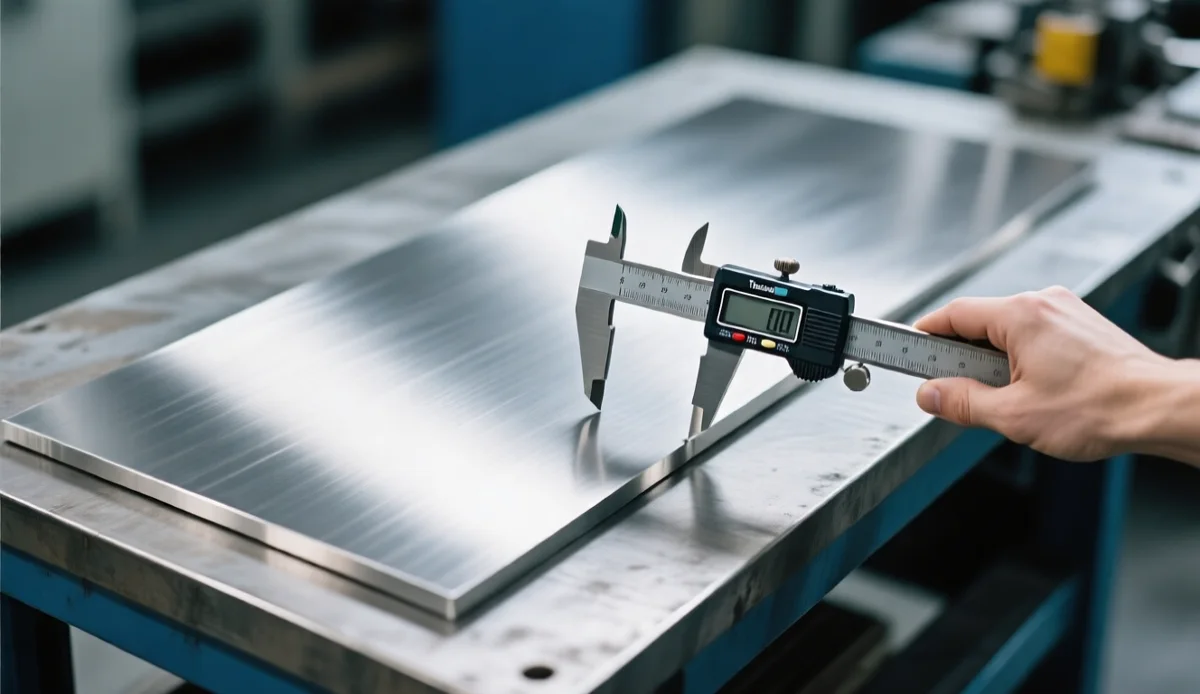
| Thickness | 3 – 50 mm typical range (confirm per size) |
| Width | 1,500 / 1,800 / 2,000 mm standard |
| Length | 3,000 / 6,000 mm standard · cut-to-size available |
| Surface | No.1 hot-rolled pickled (standard) · 2B on request for thinner gauges |
| Certification | Mill test certificate, EN 10204 3.1 type, heat-number traceable |
International Grade Equivalents
| Grade we quote | GB designation | UNS | ASTM / AISI | EN number | JIS |
|---|---|---|---|---|---|
| 321 | 06Cr18Ni11Ti (historic: 1Cr18Ni9Ti) | S32100 | 321 | 1.4541 | SUS321 |
Chemical Composition & Mechanical Properties
| C max | Cr | Ni | Ti | Mn max |
|---|---|---|---|---|
| 0.08% | 17.0–19.0% | 9.0–12.0% | ≥ 5×C, ≤ 0.70% | 2.0% |
| Yield strength ≥ | Tensile strength ≥ | Elongation ≥ | Typical service band |
|---|---|---|---|
| 205 MPa | 515 MPa | 40% | ~500–850 °C with thermal cycling |
Performance & Selection Guide
Choose 321 when: the part runs hot (500–850 °C) and cycles repeatedly — exhaust components, manifolds, heat shields, furnace fixtures — where 304 would sensitize at the welds and hot zones.
Choose 310S instead when: continuous temperature climbs toward 1,000 °C — see our 310S plate page for the higher-temperature option.
Choose 316L instead when: the real enemy is corrosion at moderate temperature, not heat — molybdenum beats titanium there; compare in our grade comparison guide.
Welding note: 321 welds with 347-class fillers (niobium-stabilized weld metal) as standard practice; the base plate’s titanium stabilization protects heat-affected zones in service.
Typical Applications
- Exhaust systems, manifolds and turbo components
- Aircraft and industrial heat shields
- Furnace fixtures and heat-treatment racks below ~850 °C
- Expansion joints and bellows at elevated temperature
- Boiler and heat-exchanger hot sections — see our boiler and heat exchanger fabrication
FAQ
Why choose 321 over 304 for hot parts?
Titanium ties up carbon, preventing chromium-carbide precipitation at 500–850 °C. That keeps welds and hot zones corrosion-resistant through thermal cycling, where plain 304 weakens.
321 vs 316L — which for my application?
Heat above ~500 °C with cycling: 321. Corrosion at moderate temperature: 316L. Send service conditions and we will recommend honestly.
Is 321 magnetic?
No — fully austenitic 321 is non-magnetic in the annealed condition.
Do plates ship with certificates?
Yes — mill test certificate (EN 10204 3.1 type) with heat-number traceability.
Can you fabricate 321?
Yes — cutting to size, forming and welding (with correct stabilized fillers) from our Taiyuan facility.
How to Order
Send thickness, sizes, quantity and service temperature — you receive a line-item quotation within two working days with stock confirmation. Mill certificates travel with every delivery. Request a quote or browse our full product range.