
1. Introduction
Industrial Stainless steel tanks are the backbone of industrial processing, storage and transportation across food & beverage, pharmaceutical, chemical and water treatment industries. A poorly specified tank can lead to product contamination, structural failure, costly downtime and regulatory non-compliance—yet many project managers and contractors struggle to select the right material, design and supplier for their specific needs. This comprehensive guide covers everything you need to know about stainless steel tanks, from material grades and tank types to sourcing best practices, to help you deliver safe, durable and cost-effective solutions for your projects.
2. Core Technical Content
2.1 Critical Stainless Steel Grades for Industrial Tanks
The choice of material directly determines a tank’s chemical resistance, temperature tolerance and lifespan. The most widely used grades for industrial applications are:
- Grade 304 Stainless Steel: The most versatile and cost-effective option, suitable for general-purpose storage of water, food products, beverages and non-corrosive chemicals. It offers excellent resistance to atmospheric corrosion and is easy to clean and fabricate. Ideal for dairy, brewing and municipal water treatment projects.
- Grade 304L Stainless Steel: A low-carbon variant of 304, designed to prevent intergranular corrosion after welding. This is the preferred grade for tanks that require extensive welding, as it maintains structural integrity at weld joints without post-weld heat treatment.
- Grade 316L Stainless Steel: The premium choice for harsh environments, containing 2-3% molybdenum for enhanced resistance to chlorides, acids and alkaline solutions. It is mandatory for pharmaceutical, chemical processing, marine and coastal applications where corrosion risk is high. 316L also meets strict sanitary standards for food and medical product storage.
- Duplex Stainless Steel: Used for high-pressure and high-temperature applications, offering twice the strength of 304/316 while maintaining excellent corrosion resistance. It is commonly used in oil & gas, petrochemical and heavy industrial projects.
Avoid low-grade alternatives like 201 stainless steel for industrial tanks—they lack sufficient corrosion resistance and will fail prematurely, leading to costly leaks and product loss.
2.2 Common Types of Stainless Steel Tanks
Tank design is tailored to specific functions and industry requirements. The most common types include:
- Storage Tanks: Used for holding liquids, gases or solids at atmospheric or low pressure. Available in vertical and horizontal configurations, with capacities ranging from 500L to 100,000L+. Ideal for raw material storage, finished product holding and water storage.
- Pressure Vessels: Designed to operate at pressures above 15 psi, requiring strict compliance with ASME, PED or other regional pressure vessel codes. Used for steam generation, chemical reactions and gas storage.
- Mixing Tanks: Equipped with agitators, impellers and baffles to blend liquids, dissolve solids or facilitate chemical reactions. Common in food processing, pharmaceutical manufacturing and chemical plants.
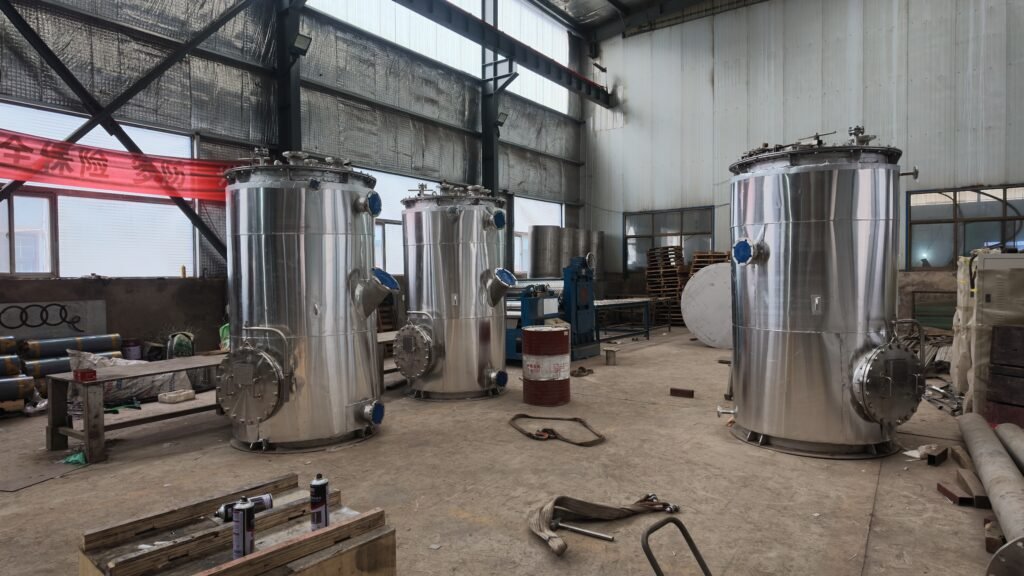
- Insulated & Jacketed Tanks: Feature a double-wall design with insulation material between the walls to maintain consistent temperatures. Jacketed tanks allow for heating or cooling of contents, essential for processes like fermentation, pasteurization and chemical synthesis.
- Sanitary Tanks: Built to 3A, FDA or EHEDG standards with polished internal surfaces, no dead legs and easy-to-clean designs. Mandatory for food, beverage and pharmaceutical applications where hygiene is critical.
2.3 Key Specifications to Consider
When specifying a stainless steel tank, pay close attention to these critical parameters:
- Capacity: Calculate required volume with 10-15% headspace for expansion.
- Wall Thickness: Determined by tank size, operating pressure and material strength. Standard thickness ranges from 3mm for small tanks to 12mm+ for large pressure vessels.
- Surface Finish: Internal finishes range from 2B (standard industrial) to 240 grit polished (sanitary). External finishes include brushed, polished or powder-coated for corrosion protection and aesthetics.
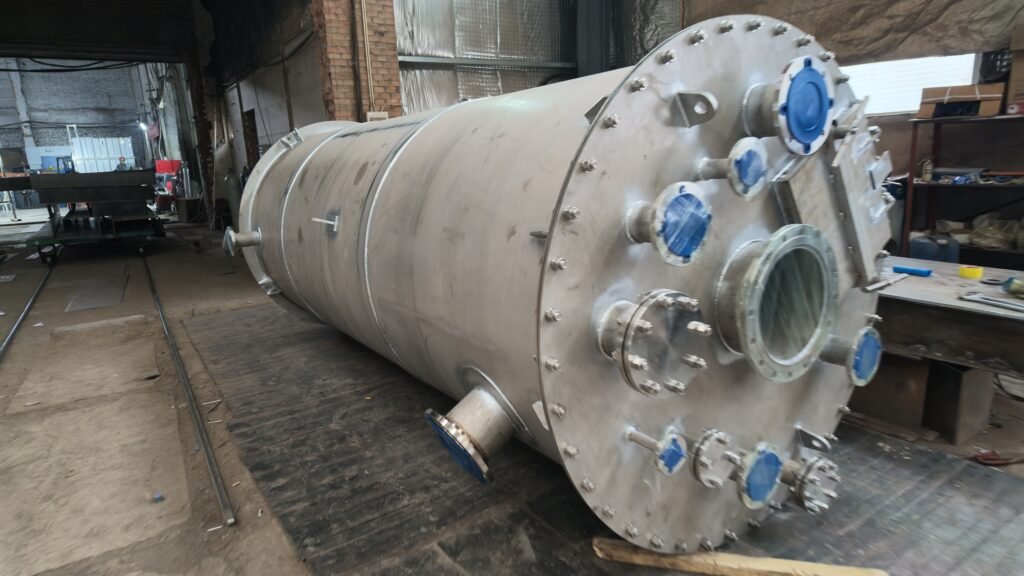
- Connections & Fittings: Specify inlet/outlet sizes, flange types, drain ports, level gauges and pressure relief valves based on your process requirements.
- Certifications: Ensure the tank meets relevant industry standards (ASME, 3A, FDA, PED) for your application and region.
3. Factory Perspective: Manufacturing Insights
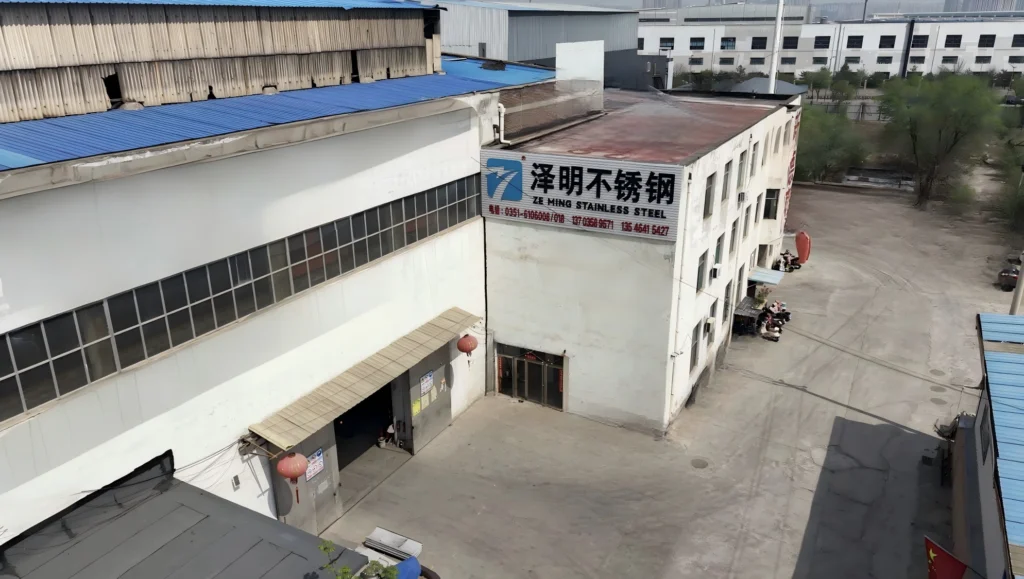
From over a decade of manufacturing custom stainless steel tanks for global industrial clients, we’ve learned that quality is built into every step of the process—not just the final inspection. Many contractors are surprised to learn that material traceability is the first and most critical step in ensuring tank reliability. We only source stainless steel from certified mills and provide full material test reports (MTRs) for every tank we build, verifying chemical composition and mechanical properties.
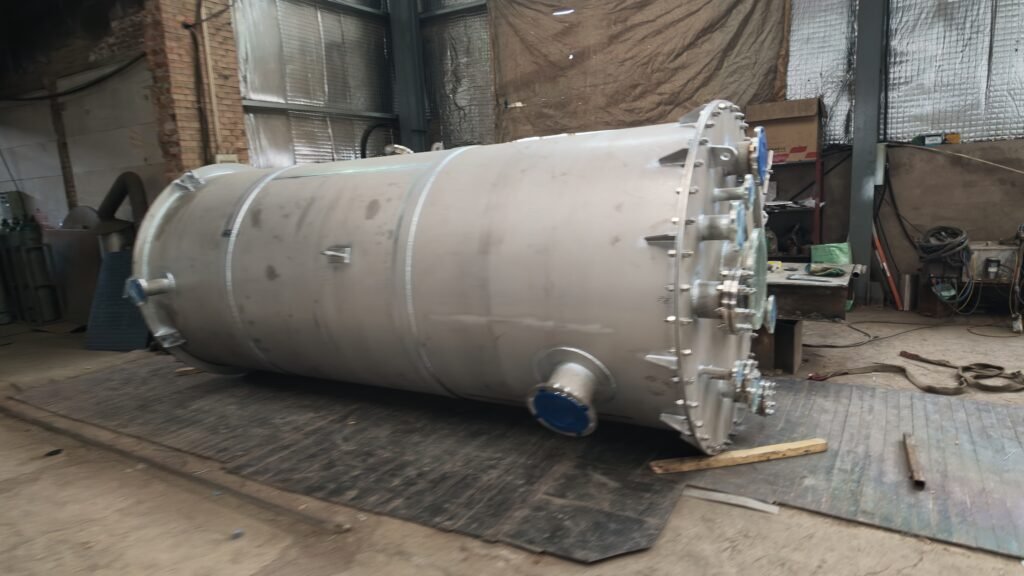
Welding is another critical area where quality can vary dramatically. Our welders are certified to ASME Section IX standards, and all welds undergo non-destructive testing (NDT) including liquid penetrant testing (LPT) and ultrasonic testing (UT) to detect defects. For pressure vessels, we perform hydrostatic testing at 1.5 times the design pressure to ensure structural integrity before shipment.
We also work closely with contractors during the design phase to optimize tank layouts for easy installation and maintenance. Small adjustments like relocating access ports or adding lifting lugs can save hours of on-site labor and prevent costly delays.
4. Common Sourcing Mistakes to Avoid
Even experienced contractors make these avoidable mistakes when sourcing stainless steel tanks:
- Choosing the wrong material grade: Using 304 instead of 316L for chloride-containing environments will lead to pitting corrosion and premature failure. Always consult a material engineer if you’re unsure about chemical compatibility.
- Ignoring certification requirements: Non-certified tanks may fail regulatory inspections, leading to project delays and fines. Always request copies of relevant certifications before placing an order.
- Focusing only on upfront cost: Cheaper tanks often use thinner material, substandard welding and no quality control, resulting in higher maintenance and replacement costs over time.
- Overlooking lead times: Custom tanks require 4-8 weeks for production, depending on complexity. Rushing orders can lead to compromised quality or missed project deadlines.
- Failing to consider after-sales support: Choose a supplier that offers installation guidance, spare parts and technical support to address any issues that arise after delivery.
5. FAQ
Q1: What is the main difference between 304 and 316L stainless steel tanks?
A: 304 is suitable for general-purpose storage of non-corrosive materials, while 316L contains molybdenum for superior resistance to chlorides, acids and harsh chemicals. 316L is also the preferred grade for sanitary applications.
Q2: Can stainless steel tanks be customized to my specific dimensions?
A: Yes, most manufacturers offer fully custom tanks in any size, shape and configuration. Provide detailed specifications including capacity, operating pressure, temperature and required fittings for an accurate quote.
Q3: How long do stainless steel tanks last?
A: With proper material selection, installation and maintenance, 304 tanks can last 20-30 years, while 316L tanks can exceed 40 years in most industrial environments. Regular cleaning and inspection will extend their lifespan further.
Q4: What surface finish is required for food-grade tanks?
A: Food and pharmaceutical applications require a sanitary finish, typically 240 grit polished internal surfaces with no sharp edges or dead legs. Tanks must also meet 3A or FDA standards for food contact.
Q5: Do stainless steel tanks require maintenance?
A: Yes, regular maintenance includes inspecting for corrosion, checking welds and connections, cleaning internal surfaces and testing pressure relief valves. Proper maintenance prevents unexpected failures and ensures compliance with safety regulations.
Selecting the right stainless steel tank requires careful consideration of material, design and supplier quality to meet your project’s performance and regulatory requirements. As an experienced manufacturer of custom stainless steel solutions, we offer certified materials, precision fabrication and full technical support for industrial projects worldwide. Contact us today to discuss your specifications and request a free, no-obligation quote.